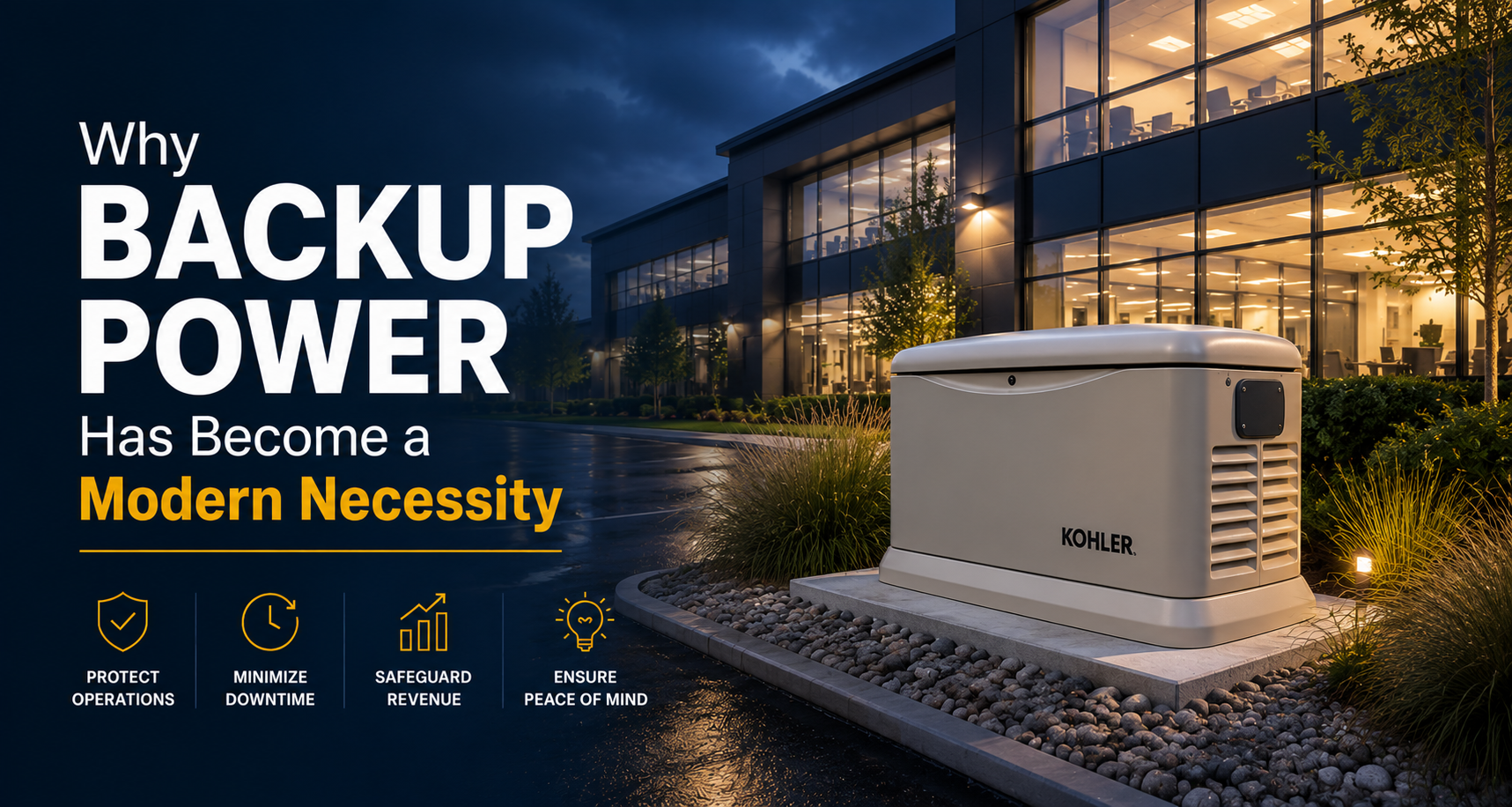
We live in an era where digital systems and temperature-sensitive technologies dictate our daily comfort. When a storm rolls over the mountains, a sudden blackout does not just turn off the lights. It stops work, spoils food, and silences security networks. As an experienced Power outage electrician crew, we watch how quickly a home can go from a sanctuary to a stressful environment when the local energy supply stops.
To combat this vulnerability, many homeowners now choose a proactive defense. We frequently manage projects like whole-house generator installation to ensure families keep their heating, medical equipment, and water pumps running when municipal lines fail. Relying on a temporary portable unit is no longer sufficient for modern residential energy demands.
Why is the regional power grid facing more challenges today?
Power grid instability is, honestly, no longer some rare thing. Federal energy reliability reports say severe weather, like major electrical disruptions, has basically doubled in the United States over the past two decades. Meanwhile, regional populations keep growing, so the local distribution network hits demand that feels kind of unprecedented. Then you get extreme summer heat and winter freezes; they tax transformers beyond what they’re designed for, and we see that stress firsthand during peak seasons. When the grid starts to wobble, sensitive electronics in modern homes get hit by sudden surges and drops. So this modern reality moves the conversation from “if it happens” to when it will happen.
What happens to local businesses during an unexpected blackout?
For commercial enterprises, the stakes are incredibly high. A manufacturing line that stops mid-shift can mean thousands in lost material, plus idle labor costs. Restaurants can lose cold storage inventory, and retail office systems risk data corruption if servers crash without warning. That is why we focus on commercial generator installation for warehouses, offices, and retail centers, not just “a generator” in a vague sense. A commercial setup has to respond instantly to prevent expensive disruptions. These days, business operations rely on smooth transitions to backup power, so you protect your bottom line, keep security systems running, and maintain customer trust.
How do we determine the right backup system for your property?
Picking a backup power system requires a more careful calculation of your electrical demand. We review your historical utility bills, we flag critical circuits, and we estimate the starting electrical load of your heaviest appliances. A typical household usually needs a different capacity and handling approach than a complex industrial facility.
| Property Type | Common Power Load | Recommended System | Fuel Source Options |
| Residential | 12 kW to 26 kW | Air-cooled standby system | Natural gas, Liquid propane |
| Commercial | 30 kW to 150 kW | Liquid-cooled industrial unit | Diesel, Natural gas |
| Industrial | 150 kW to 500 kW | Heavy-duty custom generator | Diesel |
The table above outlines the basic structural differences we consider during our preliminary engineering assessments.
What are the mechanical benefits of professional setup?
Putting in a standby power system really isn’t some quick DIY stunt, because you’re dealing with high-voltage electricity and also pressurized fuel lines. Getting it professionally installed brings a few big advantages, and yeah, they matter more than people think:
- We make sure everything is fully aligned with the National Electrical Code and also with all the local municipal permit requirements.
- We size and install the automatic transfer switches correctly, so your property is safely isolated from the main utility line, not “mostly” isolated.
- We set up secure fuel connections so the unit runs reliably through extended cold weather snaps or other weird seasonal stretches.
- We help protect your equipment warranties by running certified startup testing and doing proper system calibration.
All of this helps avoid dangerous electrical backfeeding, which can seriously injure utility workers who are trying to get the neighborhood lines back up and running.
How does modern backup technology protect your peace of mind?
Modern standby systems do more than just “provide power.” They keep watching the incoming utility voltage constantly. When it slips under a safe threshold, the generator engages automatically and tells the transfer switch to shift the load. That whole swap takes only seconds, usually before the inside of your home or business starts to feel noticeably warmer or, more often, cooler. Then when utility service returns, the system switches you back automatically and shuts down safely. There’s no need to go outside in nasty storm conditions to pull cords, or mess around with heavy fuel canisters. The entire sequence stays hands free and dependable.
Bottom line: protecting your property from grid instability takes technical know-how and high electrical safety standards. Whether you’re trying to shield business equipment, or you’re getting ready for a whole-house generator installation to safeguard your family, using licensed professionals is the sensible move.
For residents and business owners throughout Western North Carolina and Upstate South Carolina, Morgan Master Electrician Company provides these comprehensive services to keep communities safe, warm, and productive.
Frequently Asked Questions
1. What is the difference between a whole house generator and a portable generator?
A whole house generator is permanently installed and automatically supplies backup power through the home’s electrical system, while portable generators require manual setup and connection.
2. How do commercial generators support business operations?
Commercial generators provide backup electricity for essential systems such as lighting, equipment, communications, refrigeration, and security during utility outages.
3. When should a backup generator be installed?
The best time is before electrical interruptions occur, allowing proper planning, installation, and testing without the pressure of an emergency.
4. Do generators require regular maintenance?
Yes. Routine inspections and scheduled maintenance help ensure the generator remains reliable and operates correctly when backup power is needed.
5. Why is professional generator installation important?
Professional installation helps ensure the generator integrates safely with the electrical system, complies with applicable electrical codes, and operates reliably during power outages.
Need a licensed electrician?
Talk to our team today or request a free written quote.