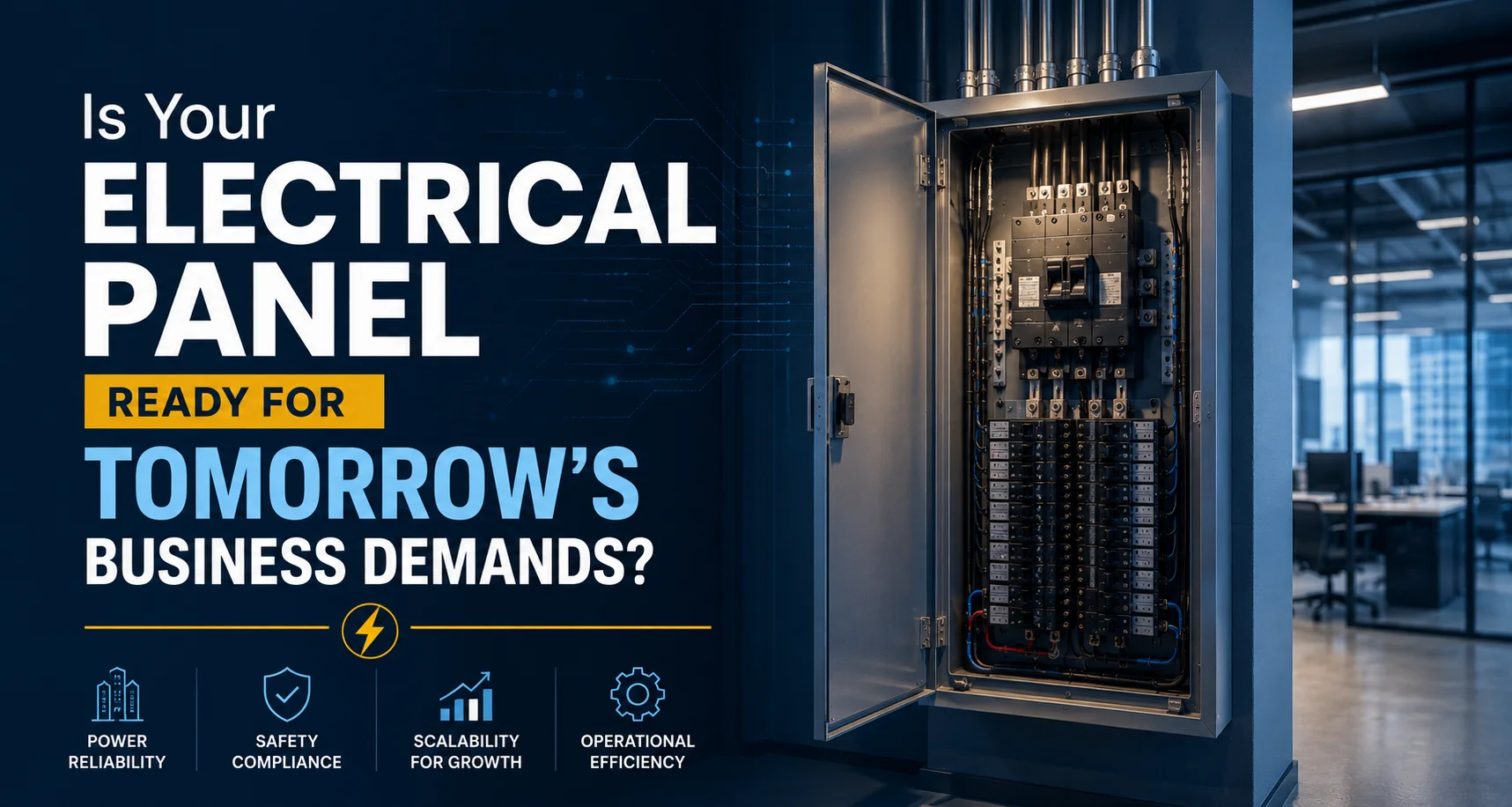
Every commercial property tells the story of how businesses evolve. Offices expand, equipment gets more advanced, production lines get automated, and the energy demands just keep climbing steadily. But one part often stays the same for years, quietly taking on more responsibility than it was ever really meant to handle. That piece is the electrical panel. At Morgan Master Electrician Company, we see an electrical panel upgrade as more than just swapping out older equipment. It’s about getting your business ready for upcoming chances, while still backing safe and dependable day-to-day operations.
When businesses look for an electrical panel upgrade in Asheville, they’re usually trying to solve something right now, like overloaded circuits or an older, tired infrastructure that won’t play nice anymore. We ask our clients to look past today’s electrical situation. Like commercial electrical contractors who design with future expansion in mind, we think each electrical panel should be ready for both current work and whatever comes next, tomorrow.
Why does the electrical panel matter more than many business owners realize?
An electrical panel is basically the control center for a building’s electrical system. It distributes electricity across the whole facility, and it also shields circuits from overloads plus electrical faults. As commercial properties add new tech, bring in extra equipment, and roll out energy-efficient systems, the panel needs to safely manage those rising electrical loads.
A lot of commercial buildings were originally planned around electrical demands that look very different from what people expect now. New HVAC systems, advanced machinery, computer networks, security tools, and electric vehicle charging stations all add pressure to infrastructure that may have been stretched already.
According to the U.S. Energy Information Administration, commercial buildings continue adopting more electrically powered technologies to improve efficiency and productivity. This trend highlights the importance of electrical systems that can adapt alongside business growth.
How do we determine whether an electrical panel should be upgraded?
Not every building needs an immediate panel replacement, but a few red flags often show up, and then a professional evaluation makes sense. It’s one of those situations where ignoring it for “later” can get messy.
Some common signs are:
- Burning through breakers, tripping them a lot
- Not much remaining panel capacity for new equipment
- Electrical panels that are clearly old-fashioned or dated
- Breakers that feel warm, or look off with discoloration
- Renovation work, or a facility expansion on the way
- Electric usage climbing higher than usual
- Recurring electrical service interruptions
- Having trouble adding fresh circuits
Instead of getting stuck on one symptom at a time, we look at the big picture: how the whole electrical system supports what the facility is trying to do day to day.
Why should businesses think beyond today’s electrical needs?
Electrical infrastructure is a long-term investment. While replacing an aging panel solves immediate concerns, thoughtful planning also creates flexibility for future improvements.
An Electrical panel upgrade can help prepare facilities for:
| Business Need | How a Panel Upgrade Helps |
| Facility expansion | Supports additional electrical capacity |
| New equipment | Accommodates increased electrical loads |
| LED lighting upgrades | Improves power distribution |
| Backup generators | Enables smoother system integration |
| EV charging stations | Supports higher electrical demand |
| Technology upgrades | PProvides room for additional circuits |
Planning ahead often reduces the need for costly electrical modifications later.
How do commercial projects benefit from experienced electrical planning?
Commercial electrical work is more than just wiring up the installation. Each job requires understanding how electrical systems show up in real daily business operations, not just how they look on paper.
With seasoned commercial electrical contractors, we work together with property owners, architects, engineers, and the construction team so the electrical infrastructure lines up with the entire project plan. That teamwork reduces downtime, minimizes headaches, and supports safe, code-compliant installs.
Whether a business is refurbishing an office, extending a warehouse, or updating a manufacturing facility, thoughtful planning opens the door to stronger electrical reliability across the property.
What role does preventive planning play in electrical safety?
A lot of electrical failures end up building up over time, not just, you know, popping up all at once. Regular inspections and system checks do help us spot the aging pieces before they start messing with day-to-day business operations.
Our method sort of includes looking at things like:
- existing electrical capacity
- the state of the panel
- circuit distribution
- equipment needs
- future expansion ideas
- the relevant electrical codes
With these reviews, we can suggest real-world solutions that match what the building needs to run smoothly, not just quick Band-Aid fixes.
How can businesses prepare for future technology?
Commercial sites keep changing as new solutions appear. Smart building systems, automation, more energy‑efficient equipment, and digital infrastructure all quietly raise the stakes on having dependable electrical systems in place.
Getting ready really starts with electrical infrastructure that can handle extra load later on. A modernized electrical panel can provide more adaptability for future improvements, without you having to do big revisions every time new equipment shows up.
And when businesses proactively evaluate their electrical systems, they’re usually in a better spot to adopt newer technologies, while keeping operational downtime to a minimum.
Why is code compliance part of every successful upgrade?
Electrical codes evolve along with shifts in technology and safety standards. During an electrical panel upgrade in Asheville, we stick to the relevant electrical codes and well-known installation practices, so the whole system can run in a dependable way. We do this because a solid foundation matters, even if everything looks fine at first glance.
Code-compliant work also tends to make inspections go more smoothly. It helps with clearer documentation, and it gives people more confidence later on when renovations show up or when new equipment needs to be installed. In practice, it’s one of those boring details that pays off in a big way.
For commercial property owners, compliance isn’t just a rule to check off. It becomes part of keeping a safer working environment for employees, tenants, customers, and visitors. That safety piece is real, and it affects more than just the wiring itself.
Looking beyond today’s electrical needs
Electrical systems quietly keep everything moving through everyday commercial operations, even though they usually don’t get noticed until limitations start slowing things down. We find businesses often do better when they review their electrical infrastructure before a problem interrupts the schedule. It’s more of an anticipatory approach, not a reactive one.
Whether a company is considering an electrical panel upgrade, comparing options while researching an electrical panel upgrade in Asheville, or partnering with experienced commercial electrical contractors, the planning is what sets up the next few years. After every project, our goal stays consistent: deliver practical, code-compliant electrical solutions that help businesses keep operating with confidence. That same commitment continues to guide the work we perform at Morgan Master Electrician Company.
Frequently Asked Questions
1. What does an electrical panel do in a commercial building?
An electrical panel distributes electricity throughout the building while protecting circuits from overloads, short circuits, and electrical faults.
2. When should a commercial electrical panel be upgraded?
A panel should be evaluated if breakers trip frequently, electrical demand increases, equipment is added, or the existing panel becomes outdated.
3. Can an upgraded electrical panel support future business growth?
Yes. A properly planned panel upgrade provides additional electrical capacity for new equipment, renovations, and expanding operational needs.
4. Why is code compliance important during an electrical panel upgrade?
Code-compliant installations promote electrical safety, support successful inspections, and help ensure the system meets current regulatory requirements.
5. How do commercial electrical contractors approach panel upgrades?
They evaluate the building’s electrical load, future expansion plans, existing infrastructure, and applicable codes before recommending appropriate upgrade solutions.
Need a licensed electrician?
Talk to our team today or request a free written quote.
