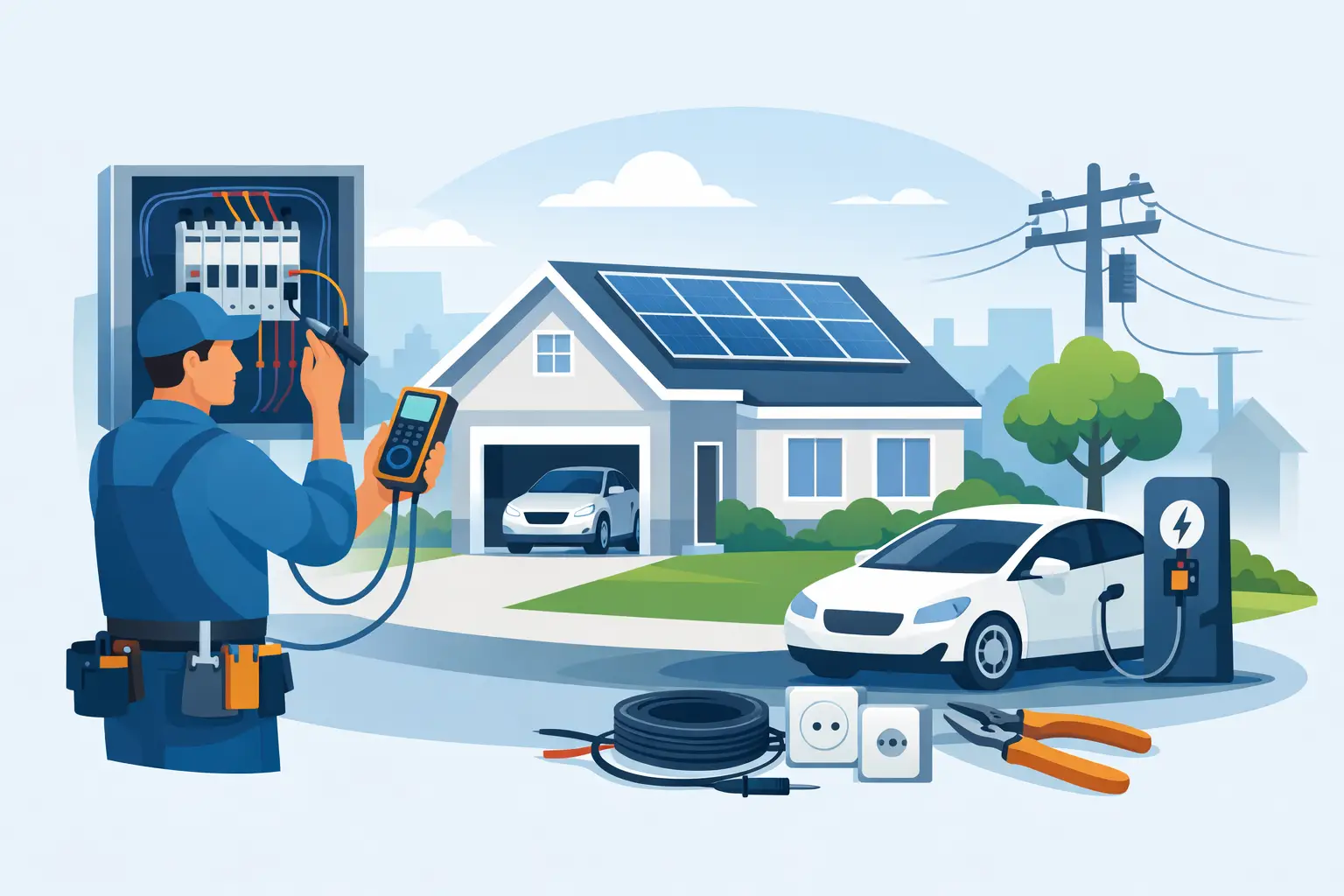
A flickering kitchen light, an outlet that suddenly stops working, a breaker that keeps tripping when the microwave runs – most homeowners know the signs of an electrical issue before they know the terminology. So, what is residential electrical service? In simple terms, it is the professional electrical work performed in homes to keep power flowing safely, reliably, and up to code.
That can mean a quick repair, like replacing a bad switch, or a larger upgrade, like installing a new panel, adding circuits, or wiring an EV charger. For homeowners in Asheville and nearby communities, residential electrical service is less about industry jargon and more about getting qualified help when something in the home is not working as it should.
What Is Residential Electrical Service and What Does It Cover?
Residential electrical service refers to the installation, repair, maintenance, inspection, and upgrading of a home’s electrical system. It includes the visible parts homeowners use every day, such as outlets, light fixtures, ceiling fans, breakers, and switches. It also includes the parts most people never want to touch on their own, like service panels, wiring, grounding, meter connections, and dedicated circuits.
The scope can be broader than many people expect. If you are remodeling a bathroom, adding recessed lighting, replacing an old panel, installing a generator connection, or trying to solve a partial power loss in one part of the house, that all falls under residential electrical service.
The key point is that this work is specific to homes. Residential systems are designed around household power needs, local code requirements, and daily living patterns. That is different from commercial electrical work, which often involves larger service capacities, different equipment, and more complex usage demands.
The Main Types of Residential Electrical Service
Some service calls are urgent. Others are planned improvements. Most homeowners need a mix of both over time.
Repair work is one of the most common categories. This includes troubleshooting dead outlets, fixing light switches, replacing damaged wiring, correcting breaker problems, and addressing circuits that trip repeatedly. When something stops working or starts acting strangely, repair service is usually the first step.
Installation work covers new electrical components added to the home. That might include new lighting, ceiling fans, smoke detectors, dimmer switches, outdoor outlets, whole-home surge protection, or dedicated circuits for appliances. If a home feature needs safe power and proper wiring, installation service is involved.
Upgrade work becomes necessary when an older system can no longer support modern needs. Homes built decades ago were not designed for today’s electrical loads. A panel upgrade, service upgrade, rewiring project, or EV charger installation is often about capacity as much as convenience.
Inspection and safety work is another major part of residential service. This can involve code corrections, home sale inspections, checking aluminum or aging wiring, testing grounding, and evaluating whether a panel or circuit layout is still safe for the household.
Backup power solutions also fall into this category. Generator hookups, transfer switches, and related electrical work are increasingly common in areas where storm reliability matters.
Why Homeowners Usually Need It Sooner Than They Think
Electrical problems rarely improve on their own. A loose connection may start as a flicker and turn into heat damage later. An overloaded circuit may seem manageable until it trips at the worst possible time. An outdated panel may appear fine until you add a new appliance or charge an electric vehicle.
That is why residential electrical service is not only for obvious failures. It is also for preventing bigger problems. Homeowners often call after noticing warm outlets, buzzing sounds, scorch marks, inconsistent lighting, or a breaker that trips more often than it used to. These are warning signs, not minor quirks.
There is also the code compliance side of the equation. Electrical standards change over time because safety expectations change. A home may still function with older equipment, but that does not always mean it is safe or suited for current use. This matters even more during renovations, additions, and home sales.
What Is Included in a Typical Service Visit?
A residential electrical service visit usually starts with diagnosis. The electrician looks at the symptom, asks a few practical questions, and tests the affected part of the system. If the problem is isolated, the fix may be straightforward. If the issue traces back to the panel, hidden wiring, or a larger load problem, the job can expand.
For example, a dead outlet may be caused by a tripped GFCI outlet in another room, a failed receptacle, a loose wire connection, or a breaker issue. The same symptom can have very different causes. That is one reason professional troubleshooting matters.
If the visit is for an installation or upgrade, the process may include reviewing the electrical load, checking the panel capacity, planning the circuit route, and making sure the work will meet current code requirements. In some cases, permits and inspections are part of the job.
Good residential electrical service is not just about getting the lights back on. It is about making sure the repair or installation is safe, durable, and appropriate for the home.
Common Jobs That Fall Under Residential Electrical Service
Many homeowners are surprised by how many household projects require an electrician. Some of the most common examples include panel replacements, circuit breaker repairs, outlet and switch replacement, indoor and outdoor lighting installation, ceiling fan wiring, whole-home surge protection, smoke detector updates, dedicated circuits for appliances, EV charger installation, generator connection work, and electrical troubleshooting.
There are also jobs tied to convenience and home value. Under-cabinet lighting, hot tub wiring, remodel electrical work, smart switch installation, and service upgrades often start as quality-of-life improvements but still require careful planning and code-compliant execution.
Not every job is large, but even small jobs can have safety implications. Replacing a fixture may sound simple until old wiring, improper splices, or missing grounding enters the picture.
When to Call Instead of Waiting
Some electrical issues should be treated as urgent. If you smell burning, see sparks, notice discoloration around outlets or breakers, lose power to part of the house, or have a panel that feels hot, it is time to stop guessing and call for service.
Other situations are less dramatic but still worth addressing quickly. Frequent breaker trips, lights that dim when major appliances start, outlets that do not hold plugs securely, and switches that work inconsistently are all signs that the electrical system needs attention.
There are also planned situations where it makes sense to call before you start. If you are adding a large appliance, renovating a room, finishing a basement, installing a generator, or preparing for an EV charger, electrical capacity and layout should be checked first. Waiting until after other work begins can create delays and added cost.
Why Licensed Residential Service Matters
Electrical work has very little margin for error. A cosmetic mistake in another trade may be frustrating. An electrical mistake can lead to shock risk, equipment damage, or fire.
That is why licensed and insured residential electricians matter. They understand load calculations, grounding, code requirements, permitting, and how to identify hidden hazards that a homeowner may not see. They also know when a simple repair is enough and when a deeper upgrade is the safer long-term answer.
There is a trade-off here. The cheapest fix is not always the right fix. If a breaker is tripping because a circuit is overloaded, replacing the breaker without addressing the load does not solve the real problem. In the same way, swapping an outlet may not help if the wiring behind it is deteriorated. Good service focuses on the cause, not just the symptom.
What Residential Electrical Service Looks Like in Older Homes
In Western North Carolina, many homes have age-related electrical issues that newer houses do not. Older panels, limited service capacity, ungrounded outlets, outdated wiring methods, and pieced-together additions are all common. A house may have worked fine for years, but modern living puts more strain on the system.
Window AC units, larger kitchen appliances, home offices, workshop tools, and EV charging all increase demand. If your home was built for another era, residential electrical service often becomes a mix of repair and modernization.
That does not always mean a full rewire or major overhaul. Sometimes the right solution is targeted: adding a dedicated circuit, replacing a subpanel, upgrading surge protection, or correcting a specific safety issue. It depends on the home’s condition, your current usage, and what you plan to add next.
Choosing the Right Help for the Job
For homeowners, the process should feel straightforward. You notice a problem or plan an upgrade, explain what is happening, and connect with a qualified electrician who can assess the job clearly. That is the real value of working with a local residential service platform focused on homeowners rather than leaving you to sort through unknown options on your own.
Asheville Electrical Contractors is built around that practical need – helping homeowners connect with licensed, insured electricians for everything from troubleshooting and repairs to panel work, generator solutions, and larger home upgrades.
If you are still wondering whether your issue counts as residential electrical service, the answer is usually simple: if it affects how your home is powered, lit, protected, or wired, it probably does. And when something electrical in your home seems off, getting qualified help early is often the safest and most cost-effective move.
Need a licensed electrician?
Talk to our team today or request a free written quote.