If your lights flicker when the microwave starts, or a breaker trips every time you plug in a space heater, your home electrical system is already telling you something. Most homeowners do not need to know every wire and connection behind the walls, but it helps to understand the basics so you can spot trouble early and get the right help before a small issue turns into a safety problem.
In Western North Carolina, many homes include a mix of old wiring, newer additions, and rising power demands from modern appliances, HVAC equipment, and EV chargers. That combination can put stress on an electrical setup that was never designed for how people live now. A little knowledge goes a long way when you are deciding whether you are dealing with a minor inconvenience or a problem that needs prompt service.
What a home electrical system actually does
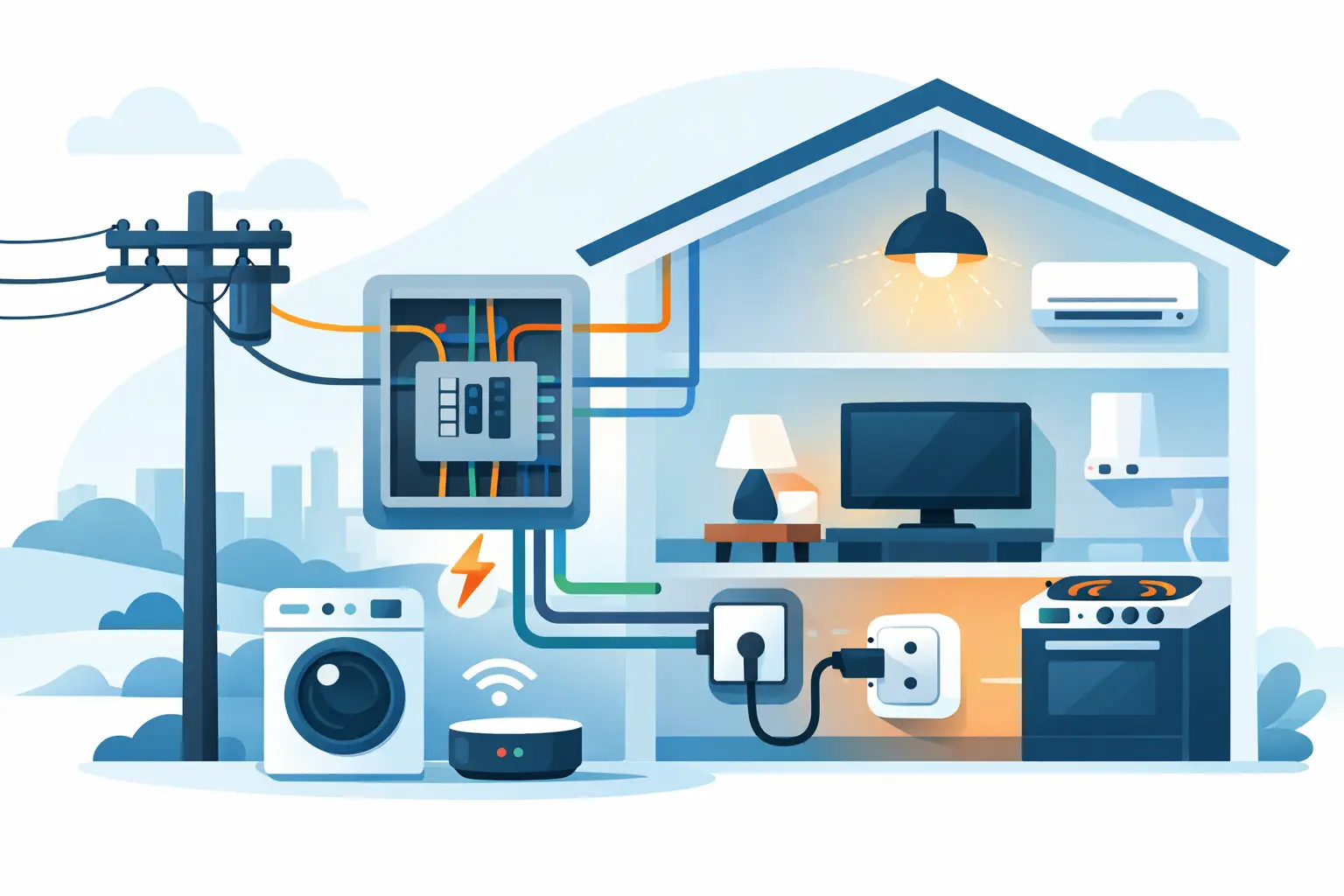
At the simplest level, your electrical system brings power from the utility line into your house, routes it through the main panel, and sends it to the circuits that serve outlets, lights, appliances, and dedicated equipment. It also has built-in protection that is supposed to shut things down when something is wrong.
That sounds simple enough, but each part matters. If one section is outdated, overloaded, damaged, or improperly installed, the rest of the system can suffer. A bad connection in one location can lead to heat buildup. An undersized panel can limit upgrades. Missing grounding can increase shock risk. What looks like a small annoyance on the surface can point to a larger system issue.
The main parts of a home electrical system
Service entrance and meter
This is where utility power reaches your home. The service entrance includes the wiring and equipment that bring electricity in, and the meter tracks usage. If your service is too small for your household demand, you may run into repeated tripping, panel crowding, or limitations when adding new equipment.
This is common in older homes that were built before central air, large kitchen loads, home offices, and electric vehicle charging became part of daily life.
Main electrical panel
The panel is the control center of the home electrical system. It distributes electricity to branch circuits and uses breakers to protect those circuits from overloads and faults. When a breaker trips, it is not just being annoying. It is doing its job by stopping unsafe current flow.
Panels can also become outdated or unsafe. Some homes still have old equipment that no longer meets current expectations for capacity or reliability. In other cases, homeowners add circuits over time and the panel ends up crowded, poorly labeled, or not suited for the load.
Branch circuits
These are the individual paths that carry electricity to specific areas or equipment. Some circuits serve general outlets and lights. Others are dedicated to appliances such as ranges, dryers, refrigerators, HVAC systems, water heaters, sump pumps, and EV chargers.
The right circuit size matters. So does the right breaker, the right wire, and the right protection. You cannot safely treat all circuits the same.
Outlets, switches, and fixtures
These are the visible parts most homeowners interact with every day. Loose outlets, warm switches, buzzing fixtures, and dead receptacles often seem minor, but they can point to worn parts, damaged wiring, or improper connections behind the wall.
GFCI and AFCI protection also come into play here. Bathrooms, kitchens, garages, exterior locations, and other areas may require specific safety devices. If your home lacks these protections where they should be installed, it may not meet current safety standards.
Grounding and bonding
Grounding helps direct dangerous fault current safely away, while bonding connects metal components so they remain at the same electrical potential. Homeowners do not usually see this part of the system, but it is essential for shock protection and overall safety.
When grounding is missing, damaged, or incorrect, serious hazards can develop without obvious warning signs.
Signs your home electrical system may need attention
Some electrical problems announce themselves clearly. Others build slowly. If you notice burning smells, buzzing sounds, hot cover plates, repeated breaker trips, dimming lights, or outlets that stop working for no clear reason, it is worth taking seriously.
There are also less dramatic signs that still matter. Maybe your panel has no room for new circuits. Maybe you rely on extension cords because there are never enough outlets where you need them. Maybe your older home still has two-prong receptacles in key rooms. None of those automatically means your house is unsafe, but they often point to a system that needs updating.
A good rule is this: if the problem repeats, spreads, or involves heat, smell, sparking, or moisture, do not wait. Electrical issues rarely improve on their own.
Why older homes in the Asheville area need a closer look
Many homes in and around Asheville have character, but age can complicate the electrical system. Additions may have been wired at different times by different people. Panels may have been replaced without fully updating branch circuits. Kitchens and bathrooms may have been remodeled while the rest of the house stayed the same.
That patchwork approach is common, and it does not always mean poor workmanship. It does mean your system may have mixed components, changing code requirements, and uneven capacity throughout the home. What works fine in one room may not reflect the condition of the whole house.
Moisture and storm activity also matter in this region. Surge protection, proper exterior wiring, and generator readiness are not luxury upgrades for many homeowners. They are practical steps that protect the house and help the electrical system hold up under local conditions.
Upgrades that often make sense
Not every home needs a full rewire or service replacement. Sometimes the right move is targeted work based on the age of the system, the condition of the panel, and how your household uses electricity now.
Panel upgrades are one of the most common improvements because they can increase capacity, improve reliability, and create room for future additions. Dedicated circuits are another smart fix when you are adding a new appliance, workshop equipment, or an EV charger. Whole-home surge protection is also worth considering, especially if you want better protection for electronics, appliances, and HVAC equipment.
Lighting upgrades, outlet additions, GFCI and AFCI installation, and generator connections can all improve safety and convenience without turning into a major remodel. It depends on your goals. If you are planning to stay in the home, resilience and daily function may drive the decision. If you are preparing to sell, code-related corrections and visible safety upgrades can be just as important.
When to call a licensed electrician
There is a difference between resetting a tripped breaker once and dealing with a recurring electrical problem. There is also a difference between swapping a bulb and diagnosing why a fixture keeps failing. Home electrical system work is not a good area for guesswork, especially when the issue may involve hidden wiring, panel components, or code requirements.
Call a licensed electrician if you have recurring breaker trips, partial power loss, old or damaged panels, aluminum wiring concerns, outlet failure, flickering across multiple rooms, or any sign of overheating. The same goes for service upgrades, generator setups, EV charger installation, remodel wiring, and safety inspections.
Fast diagnosis matters because electrical problems can be interconnected. What looks like a bad outlet might actually be a loose connection upstream. What seems like a nuisance trip might be an overloaded circuit that has been pushed too far for years.
For homeowners who want a straightforward path to qualified help, Asheville Electrical Contractors connects local residents with licensed and insured electricians for repairs, upgrades, and residential electrical service.
How to think about your electrical system before problems start
You do not need to inspect your panel every week or memorize code rules. It is enough to pay attention to patterns. If your home has added major loads in recent years, if your electrical setup feels stretched, or if you are seeing repeated warning signs, it is time to have it evaluated.
A safe electrical system should feel boring. Your lights should work consistently. Your breakers should not trip without a reason. Your outlets should not be loose, hot, or unreliable. If any part of your home electrical system is acting unpredictably, getting professional help early is usually the faster and less expensive decision.
The best time to address an electrical issue is before it becomes urgent, but if your home is already showing signs of trouble, a prompt service call can bring clarity, safety, and peace of mind.
Need a licensed electrician?
Talk to our team today or request a free written quote.