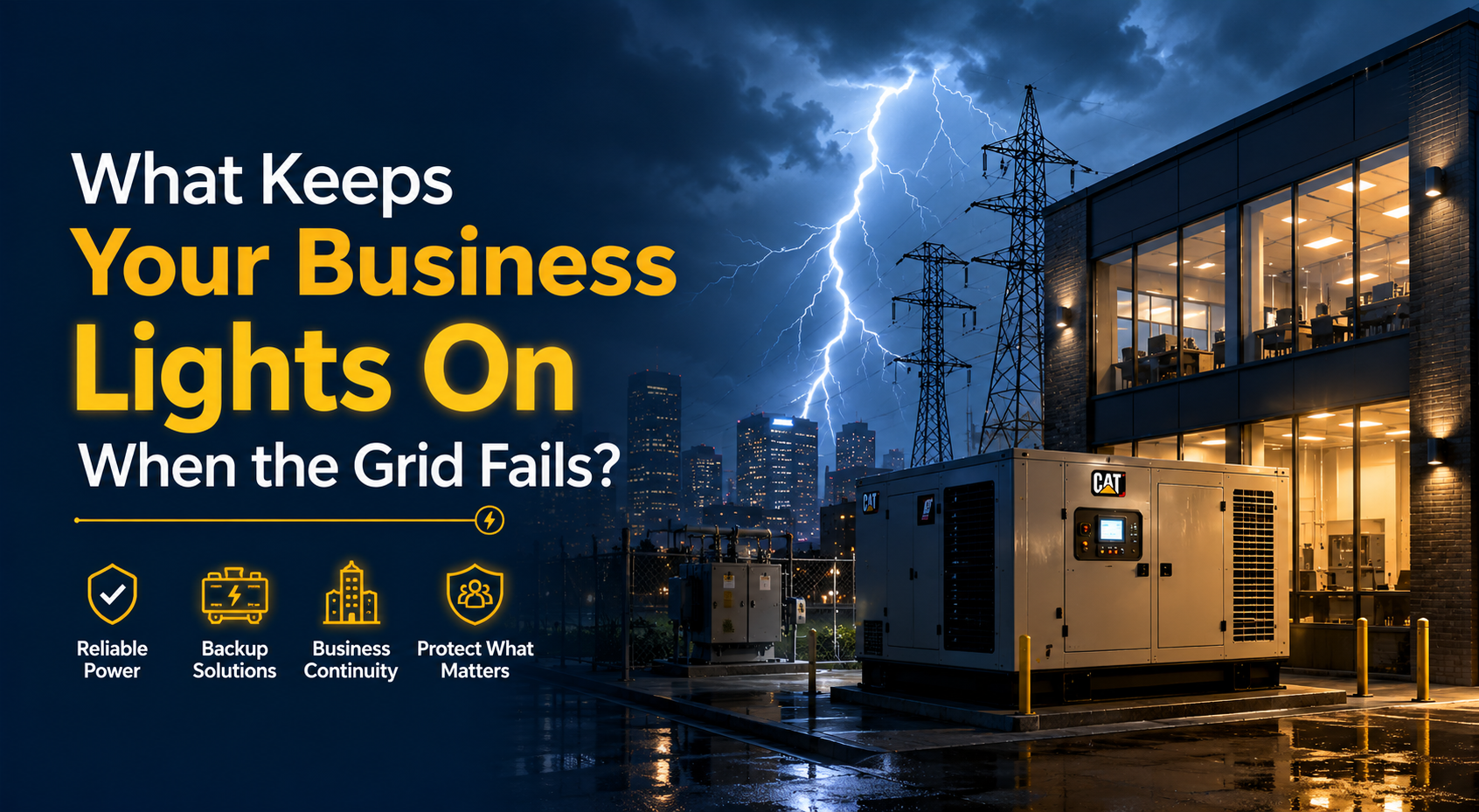
Your facility hums with quiet energy every single day. This power keeps your computers going, runs the assembly lines, and feeds those critical climate control systems. Still, we rarely think about this complex kind of infrastructure until it suddenly stops. A sudden breaker failure can disrupt everything in an instant. In those stressful seconds, you need a quick electrician repair near me to bring it back to order.
We also know electrical trouble does not ever wait for friendly business hours. A midnight panel blowout requires an immediate response from an Emergency electrician in Hendersonville to avoid serious safety problems. Rather than sit there while revenue slips, smart business leaders search for trusted electrical help near me to handle the issue. We think proactive care is always better than reactive panic, even if it feels inconvenient at the time.
As per the Electrical Safety Foundation International, electrical failures are still one of the major causes of commercial property damage in the United States. Many of those failures begin with warning signs that businesses overlook because daily operations still appear manageable.
Why does modern commercial power demand more than basic fixes?
We see a lot of older properties struggling with today’s loads. Computers, heavy machinery, and advanced HVAC systems put real strain on older panels. An overloaded circuit can trigger a fire or damage expensive electronic equipment. Then suddenly, you are dealing with completely preventable repairs.
Let’s look at recent industry signals. The U.S. Energy Information Administration says grid reliability issues have risen a lot. Weather events plus aging infrastructure lead to longer and more frequent outages across the country. Business owners need to protect their assets with proactive system upgrades, and yes, with standby power options too.
How can energy upgrades boost your business profits?
Investing in modern systems does more than prevent emergencies. It directly lowers your monthly overhead costs. LED lighting retrofits are one of the fastest ways to increase your energy efficiency.
We often help businesses replace old metal halide fixtures with modern LED systems. This simple change reduces your lighting energy consumption by up to seventy-five percent. Let us compare the differences between old systems and new upgrades.
| Feature | Old HID Lighting | Modern LED Upgrades |
| Lifespan | 15000 Hours | 50000 Hours |
| Energy Use | High | Very Low |
| Maintenance | Frequent | Minimal |
| Light Quality | Dim Over Time | Consistent |
What steps should you take during an electrical emergency?
If you smell burning plastic or notice flickering lights, take action right away. Don’t try to repair complicated commercial wiring yourself, even if it “looks easy” in the moment. High voltage systems need careful, professional handling to avoid injury.
We suggest sticking with a few straightforward safety steps so your staff and your property stay protected during a sudden system failure:
- Find the main breaker panel and shut off the primary power source if it’s safe to do so.
- Move people away from the immediate area if you see sparks, smoke, or you catch that burning plastic smell.
- Keep a clear route to all electrical panels so responding technicians can get in and work fast.
- Contact professional electrical support immediately to figure out what happened and handle repairs safely.
Taking these quick actions helps reduce physical damage and keeps your team protected.
How can you secure your facility for the future?
We think strong workmanship creates real, lasting peace of mind. If you’re looking for an electrician repair near me to secure your facility, pick seasoned pros who know what they’re doing. When storm damage shows up, having an Emergency electrician in Hendersonville on standby can help protect your investment. Let us manage your power needs so you can concentrate on growing your business.
To locate dependable support, search for electrical help near me and contact Morgan Master Electrician Company.
Frequently Asked Questions
1. How often should a business schedule commercial electrical inspections?
Commercial buildings should undergo detailed electrical inspections every three to five years. High-use industrial facilities may need annual checks. These routine assessments help identify hidden hazards, prevent unexpected equipment failures, and ensure compliance with the updated National Electrical Code.
2. What are the main signs of an overloaded electrical panel?
Common signs of an overloaded electrical panel include frequently tripping breakers and dimming lights when machinery starts up. You might also hear buzzing sounds or smell burning near the panel. If you notice these warning signs, shut down non-essential equipment and call a professional immediately.
3. Why is commercial LED retrofitting considered a smart investment?
LED retrofitting reduces energy consumption by up to seventy-five percent compared to traditional lighting systems. These modern lights generate less heat, which lowers cooling costs. They also last much longer, which significantly reduces maintenance expenses and eliminates the need for frequent bulb replacements in high-ceiling warehouses.
4. What is the difference between residential and commercial electrical systems? Residential systems typically use single-phase power with lower voltage levels for standard appliances. Commercial systems utilize three-phase power to support heavy machinery and larger building loads. Commercial wiring also requires specialized protective conduits and must meet more stringent safety codes to handle higher electrical demands safely.
5. How does a standby generator protect a business during an outage?
A standby generator detects power loss instantly and starts automatically within seconds. It supplies continuous electricity to critical systems like refrigeration, security, and servers. This prevents costly inventory loss, protects delicate digital data, and allows your business to remain fully operational during extended public utility failures.
Need a licensed electrician?
Talk to our team today or request a free written quote.