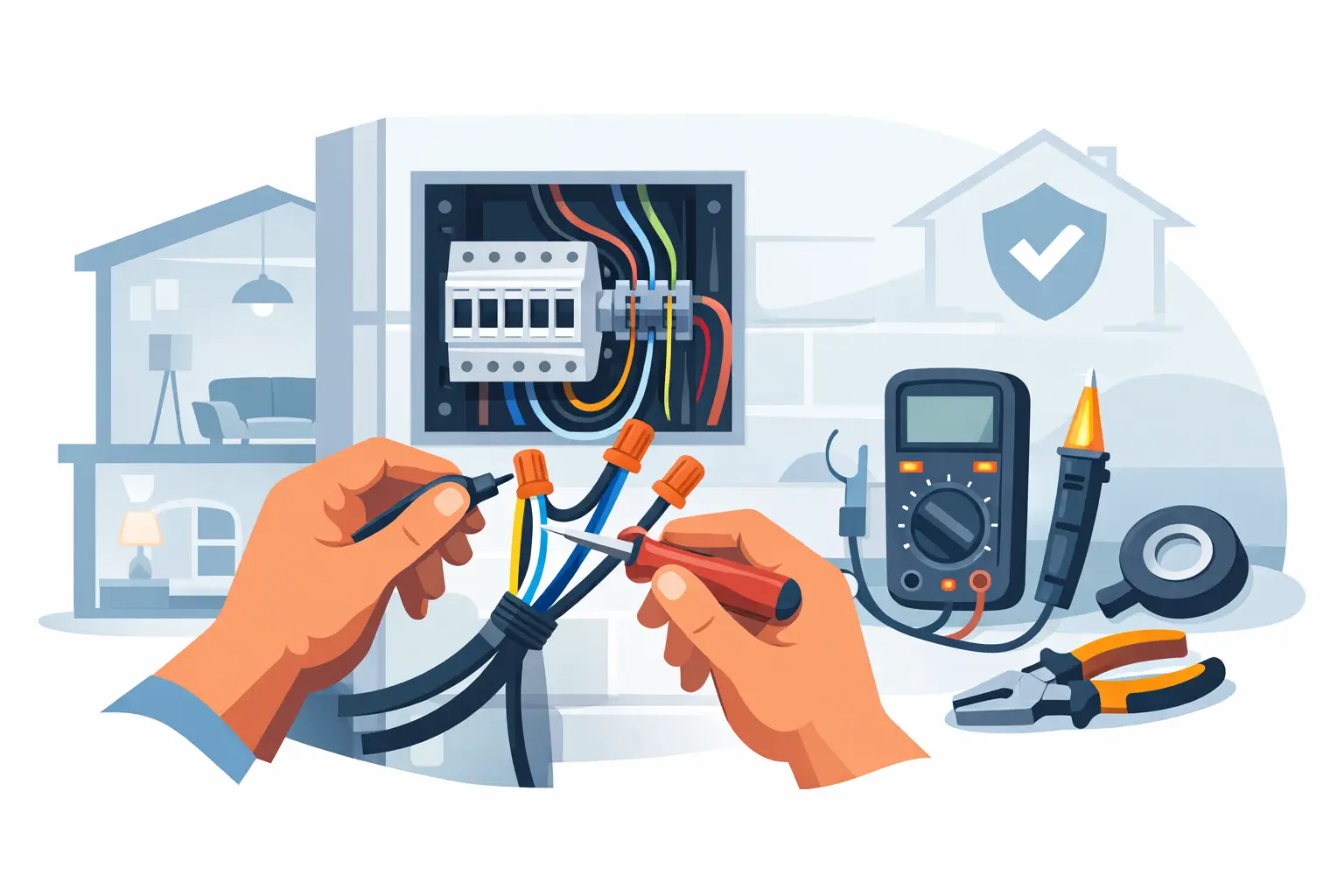
If your lights dim when the microwave starts, outlets feel warm, or you still rely on two-prong receptacles in parts of the house, you may already be asking how to upgrade home electrical wiring without creating a bigger safety problem. In many Asheville-area homes, wiring upgrades are not about convenience alone. They are often about reducing fire risk, adding capacity for modern appliances, and bringing older electrical systems closer to current code.
For most homeowners, this is not a DIY project. Rewiring work can involve opening walls, replacing circuits, updating grounding, coordinating permits, and making sure the service panel can safely handle the new load. The right first step is not buying wire. It is figuring out what your home actually needs.
How to upgrade home electrical wiring the right way
The biggest mistake homeowners make is assuming every older home needs a full rewire. Sometimes that is true. Sometimes the issue is more limited, like ungrounded outlets, overloaded circuits, or a panel that no longer matches the demands of the house. A safe upgrade starts with a professional inspection so the scope matches the real problem.
A licensed electrician will usually look at the age of the home, the type of existing wiring, the condition of the panel, signs of heat damage, and whether your current setup supports how you actually live. That matters because a house built for one window AC unit and a few lamps was not designed for EV chargers, air fryers, office equipment, smart devices, and larger HVAC loads.
In older Western North Carolina homes, several conditions often trigger wiring upgrades. Knob-and-tube wiring is a common one. So is aluminum branch wiring in certain mid-century homes. Even if the system still works, age alone does not mean it is safe for current electrical demand. Brittle insulation, loose connections, and a lack of grounding can all turn a functional system into a hazard.
Signs your home may need a wiring upgrade
Some warning signs are obvious, and some are easy to ignore until they become urgent. Breakers that trip often, flickering lights, buzzing outlets, scorch marks, and outlets that do not hold plugs tightly all deserve attention. If you use extension cords as a permanent solution because you do not have enough outlets, that is also a sign your system may be outdated.
Older homes may also have a mismatch between visible finishes and hidden electrical conditions. A kitchen may look recently renovated, while the circuits behind the walls are still original. The same goes for additions, garages, and finished basements. If previous work was done in phases over many years, the wiring may not be consistent or properly integrated.
Another issue is capacity. If your panel is full or nearly full, adding new circuits for a hot tub, generator connection, workshop equipment, or EV charger may require more than a simple branch circuit install. In that case, upgrading the wiring may need to happen alongside panel work or a service upgrade.
What an electrical wiring upgrade usually includes
The phrase “upgrade the wiring” can mean several different things. In one home, it may mean replacing unsafe branch circuits and adding grounding. In another, it may involve rewiring large portions of the house, replacing old receptacles and switches, and installing arc fault and ground fault protection where required.
A typical project may include new copper wiring, new outlets and switches, dedicated circuits for high-demand appliances, and corrections to unsafe splices or outdated junctions. If the panel is undersized, that may be part of the project too. In some homes, electricians also recommend whole-home surge protection during the upgrade because newer electronics are more sensitive and the added protection makes practical sense.
It depends on the house. A small bungalow with accessible crawlspace and attic areas may be more straightforward than a larger finished home where fishing new wire through closed walls takes more labor. The more accessible the wiring paths, the less disruptive the project tends to be.
Room-by-room upgrades vs full rewiring
Not every project needs to happen all at once. If your main concern is a kitchen remodel, bathroom update, or adding a laundry circuit, a targeted upgrade may be enough for now. That can be a practical option when the rest of the home is in acceptable condition.
But there are trade-offs. Partial upgrades can solve immediate problems, yet they may leave older wiring in place elsewhere. If the home has widespread age-related issues, piecemeal work may cost more over time than addressing the system more comprehensively.
A good electrician should explain both paths clearly: what must be fixed now for safety, what can wait, and what makes the most financial sense based on your plans for the home.
What homeowners should expect during the process
The first stage is evaluation and planning. That includes identifying safety concerns, calculating load needs, and determining whether permits are required. In most cases, permits and inspections are part of the job because electrical work needs to meet local code.
After that, the work itself may involve cutting access openings in drywall, shutting off power to sections of the house, and replacing old components in phases. For occupied homes, electricians often try to minimize downtime, but some disruption is normal. If extensive rewiring is needed, the timeline can stretch depending on the size of the house and how easy it is to reach existing wiring runs.
This is one reason homeowners should avoid waiting until a small issue becomes an emergency. Planning a wiring upgrade on your schedule is easier than dealing with failed circuits, damaged outlets, or a panel problem that suddenly leaves part of the home without power.
Cost depends on scope, access, and panel capacity
Homeowners often want a fast price, but wiring upgrades are highly variable. The final cost depends on whether you need a few circuits updated or a larger rewire, whether the panel must be replaced, and how much wall or ceiling access is required.
Older homes with difficult access, prior unpermitted work, or mixed wiring types often take more labor. On the other hand, if the need is limited to a few high-priority corrections and added circuits, the project may be more manageable than expected. The only reliable way to price it is with an on-site assessment.
Why licensed electrical work matters
When homeowners search how to upgrade home electrical wiring, they are often looking for steps. The real answer is that safe electrical upgrades start with professional diagnosis, not internet instructions. Wiring errors can stay hidden for years and then show up as overheated connections, damaged appliances, nuisance breaker trips, or worse.
Licensed electricians know how to size circuits, verify grounding and bonding, check panel compatibility, and complete work to code. They also know when a simple fix will not solve the underlying issue. That protects both your home and your investment.
For homeowners in Asheville, Arden, Weaverville, Candler, Leicester, and nearby communities, local experience matters too. Older mountain homes, additions built across decades, moisture exposure in crawlspaces, and changing household power demands all affect the right solution. A local professional is more likely to spot the conditions that commonly show up in this area.
When to schedule an inspection
If you recently bought an older home, are planning a remodel, or keep dealing with recurring electrical problems, now is the right time to have the system evaluated. The same goes if you want to add major electrical loads such as an EV charger, standby generator connection, or new HVAC equipment.
You do not need to wait for visible damage. In fact, the best time to address outdated wiring is before it starts interrupting daily life or creating a safety issue. Asheville Electrical Contractors helps connect homeowners with licensed and insured electricians who can inspect the system, explain what is urgent, and recommend practical next steps based on the home you actually have.
A wiring upgrade should leave you with more than extra power. It should leave you with confidence every time you flip a switch, plug in an appliance, or plan the next improvement to your home.
Need a licensed electrician?
Talk to our team today or request a free written quote.