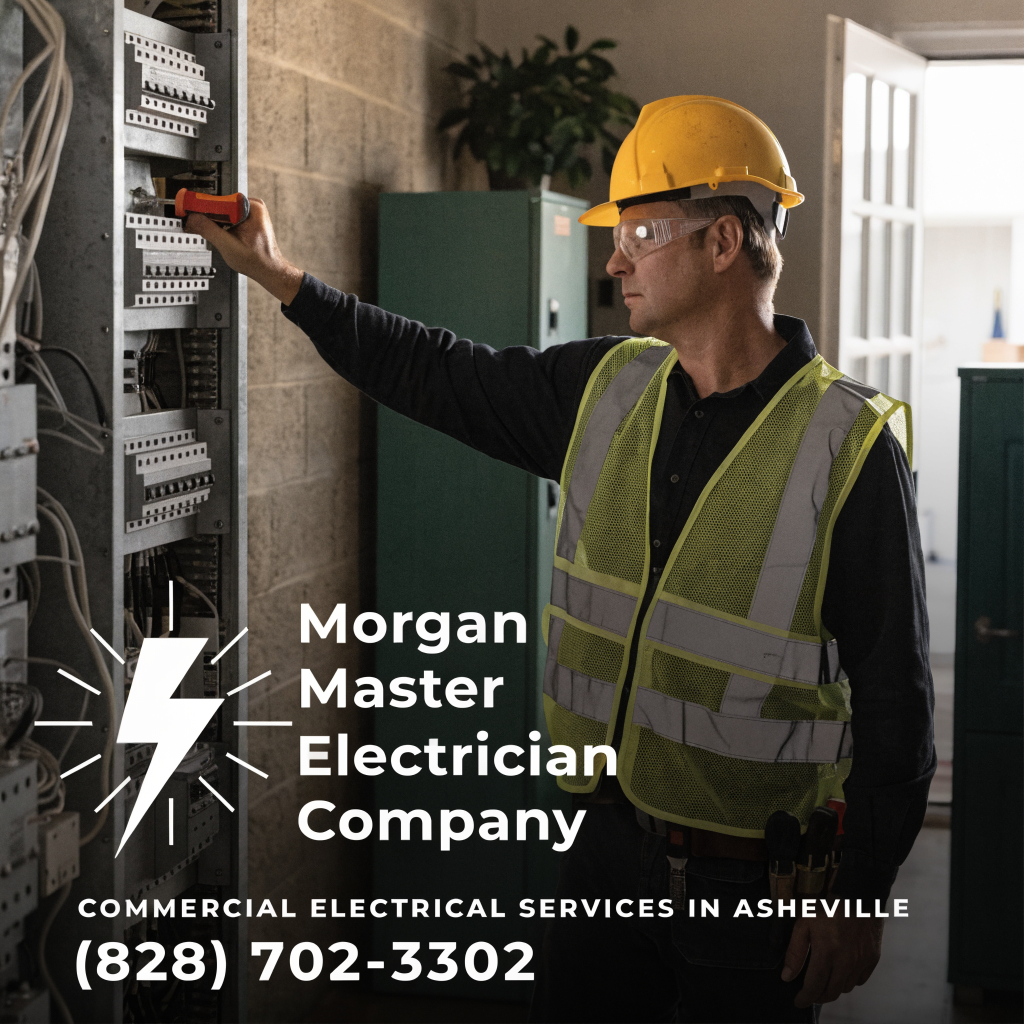
We see the same pattern in many facilities. Power problems often start small, then grow fast. That is why commercial electrical services matter so much for daily operations. They protect safety, support equipment, and help work stay on schedule.
When people search for an electrician in Asheville, NC, they usually want more than a quick repair. They want clear answers and steady work. They also want support from electrical contractors in Asheville, NC, who understand how business sites run. We build our work around those needs.
Why does commercial power need a different approach?
Commercial systems face more pressure than many people expect. They carry heavier loads. They run longer hours. They also support more equipment at once.
We do not treat these systems like a simple home fix. We look at the full electrical picture. That includes panels, circuits, lighting, outlets, equipment, and backup needs.
A business cannot afford guesswork. One weak circuit can affect a full day of work. One bad connection can create heat, downtime, or a safety issue. That is why planning matters before failure arrives.
What do businesses usually need from electrical support?
Most business owners want the same things. They want reliability. They want safety. They want work that fits their schedule.
We often support projects that involve:
- Panel upgrades
- Lighting improvements
- Circuit troubleshooting
- Equipment hookups
- Power distribution checks
- Emergency repairs
- Preventive maintenance
Each of these tasks supports a larger goal. Keep the system stable. Keep the business moving.
How do we spot trouble before it spreads?
Electrical systems often send warning signs. The challenge is noticing them early.
A breaker that trips once may seem minor. A light that flickers may feel harmless. A warm panel may be easy to ignore. But these signs often point to load stress or worn parts.
We look for patterns, not just one event. That approach helps us find the cause faster. It also helps us avoid repeat problems.
A growing trend across many businesses is preventive service. More owners now choose regular checks over emergency fixes. That shift makes sense. Planned work usually costs less than lost time.
What makes good commercial electrical work reliable?
Reliable work begins with a clear inspection. We look at how the building uses power. We review the age of the system. We consider current demand and future growth.
We also focus on safe installation. That means proper sizing, proper wiring, and proper testing. A clean result is not enough. The system must also perform under real conditions.
The best electrical work should do three things at once. It should be safe. It should be practical. It should last.
Why do business owners delay electrical upgrades?
Many owners wait because the system still works, at least for now. That is understandable. Business decisions often compete with budgets, schedules, and daily pressure.
But delay can create higher costs later. An old panel may not support new equipment. Aging wiring can create heat issues. Poor lighting can affect visibility and safety.
That is why we often recommend reviewing the system before trouble grows. A planned upgrade gives the business more control. It also reduces surprise interruptions.
How do we balance urgency with long-term thinking?
Some calls need fast action. Others need a wider plan. We handle both with the same method. We assess the problem. We identify the cause. Then we choose the right fix.
That process matters because electrical work should not only solve today’s issue. It should also support tomorrow’s use.
We think long-term when we plan a job. That may include:
- Better load balance
- Safer panel capacity
- Improved lighting design
- Cleaner circuit organization
- Easier maintenance access
These details may seem small. They often make the biggest difference later.
Why is communication so important on commercial projects?
Commercial work often affects employees, customers, and operations. That means communication must stay direct and simple.
We explain what we found. We explain what needs attention. We also explain what comes next. That helps the client make better decisions.
Clear communication also builds trust. Business owners need to know that the problem is understood. They need to know the solution is practical. They need to know the work will be done with care.
What should businesses ask before starting electrical work?
Good questions lead to better results. We encourage property owners to ask:
- What is the current load on the system?
- Does the panel still have room to grow?
- Are we solving the cause or just the symptom?
- Will the repair support future use?
- What maintenance will be needed later?
These questions keep the project grounded. They also help the final result fit the building.
How do electrical systems affect daily operations?
Power affects more than machines. It affects comfort, safety, and time. It affects how people move through a building.
If the lights fail, work slows. If the panel struggles, the equipment may stop. If the wiring is weak, the risk grows.
That is why stable electrical service matters in every business setting. It supports the people inside the building as much as the building itself.
A simple comparison of electrical planning styles
| Approach | What it looks like | Result |
| Reactive | Wait for failure, then repair | More downtime and stress |
| Planned | Inspect, maintain, and upgrade early | Better control and fewer surprises |
This table shows why planning matters. Reactive work can solve a problem. Planned work can prevent one.
Why does experience matter in this field?
Electrical systems are technical. They also change over time. Older equipment, new devices, and growing demand all affect the outcome.
Experience helps us read those conditions faster. It helps us make safer decisions. It also helps us avoid common mistakes.
We believe the best service comes from careful work and steady judgment. That matters in a commercial setting where one small mistake can have a larger effect.
Conclusion
Strong electrical systems help businesses stay open, safe, and ready for daily demands. That is why commercial electrical services, electricians in Asheville, NC, and electrical contractors in Asheville, NC continue to matter for local properties. Morgan Master Electrician supports that need with practical planning, careful work, and a focus on dependable results.
FAQs
1. What are common signs that a commercial electrical system needs attention?
Common signs include frequent breaker trips, flickering lights, warm panels, and equipment that does not run properly. Strange smells or buzzing sounds near electrical parts also need attention. These warnings often point to overload, wear, or a safety issue that should be checked quickly.
2. Why do businesses need regular electrical maintenance?
Regular maintenance helps find small problems before they become larger failures. It can improve safety, reduce downtime, and extend system life. Businesses rely on steady power, so scheduled checks help keep operations smooth and lower the chance of costly interruptions.
3. How is commercial electrical work different from residential work?
Commercial systems often handle heavier loads, more equipment, and longer operating hours. They may also involve larger panels and more complex wiring. Because of that, the planning, repair, and maintenance process usually needs a broader approach and more detailed testing.
4. When should a business consider a panel upgrade?
A business should consider a panel upgrade when the current system cannot handle added equipment, trips often, or has no room left for growth. Older panels may also become less reliable over time. An upgrade can improve safety and support future expansion.
5. What should a business expect during an electrical service visit?
A service visit usually starts with inspection and testing. The electrician checks the system, finds the cause of the issue, and explains the next step. Depending on the problem, the visit may end with a repair, a recommendation, or a plan for future work.
Need a licensed electrician?
Talk to our team today or request a free written quote.