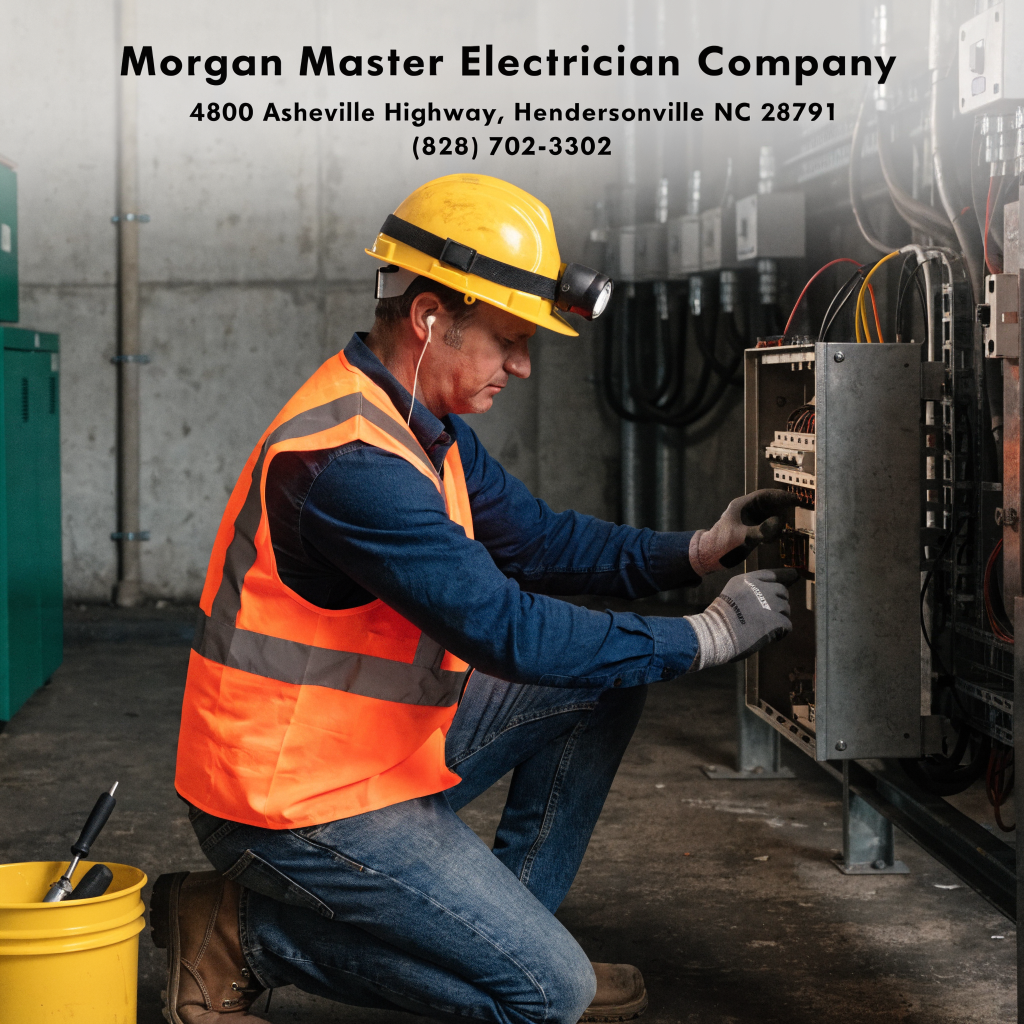
When a facility depends on steady power, there is little room for guesswork. That is why Industrial electrical services must do more than solve a basic outage. They need to support uptime, safety, and long-term performance. We approach that work with a simple goal. Keep the system stable and the operation moving.
Facilities do not call heavy industrial electrical contractors for small talk. They call when the stakes are high. A motor fails. A panel runs hot. A line stops in the middle of the shift. In those moments, an Industrial electrician needs to move fast, think clearly, and work with care. That is where experience matters most.
What do industrial facilities really need from electrical support?
Industrial sites run on pressure, timing, and precision. Every part of the electrical system supports that flow. When one part slips, the whole site can feel it.
We do not treat industrial work like routine household service. The load is heavier. The risk is higher. The systems are more complex. A warehouse, plant, or commercial facility may rely on:
- Service upgrades
- Panel work
- Lighting repairs
- Equipment hookups
- Generator integration
- Emergency troubleshooting
- Preventive maintenance
Each task affects more than the part being repaired. It affects operations, schedules, and people on the floor.
Why does one electrical problem cause so much disruption?
A small issue often hides a larger one. A breaker trip may point to overload. Heat at a connection may signal wear. Flickering lights may reveal a deeper imbalance. We look for the cause, not just the symptom.
That approach protects more than equipment. It protects time. In industrial settings, time has a cost. A short delay can affect output, staffing, and delivery. That is why we focus on fast diagnosis and clear action.
We also know that many facilities now plan repairs before failures happen. That trend is growing across many industries. More teams want preventive service instead of emergency recovery. It saves stress. It also helps reduce surprise downtime.
How do we approach industrial electrical work?
Our work starts with the system, not the tool bag. We look at the full picture first. That includes load, equipment condition, code needs, and business demands. Then we build the right path forward.
We often help with:
- Panel replacements and upgrades
- Circuit tracing and troubleshooting
- Warehouse and parking lot lighting
- Emergency lighting
- Generator setup and service
- Motor and equipment wiring
- Electrical maintenance
- Power distribution support
This kind of work takes discipline. It also takes patience. Industrial systems do not forgive rushed decisions. We keep our process clear so the outcome stays reliable.
What makes industrial service different from general electrical work?
Industrial sites ask more from every component. The environment can be harsh. Dust, moisture, vibration, heat, and heavy use all take a toll. That means the work must be built for real conditions.
A skilled Industrial electrician must understand how systems behave under load. That includes knowing how to read a panel, test a circuit, and identify weak points before they create bigger trouble. It also means working with attention to safety and code compliance at every step.
We believe this kind of work should feel steady, not rushed. Clients need answers they can trust. They need a team that knows how to keep a facility operating without unnecessary noise or confusion.
What do we look for before a problem gets worse?
Some warning signs are easy to miss. Others stand out right away. We tell clients to pay attention when they see these issues:
- Repeated breaker trips
- Buzzing or heat from panels
- Lights that flicker or dim
- Motors that run irregularly
- Backup power that does not start as expected
- Old wiring that shows wear
- Unexplained downtime in one area of the site
These signs do not always mean a major failure is near. But they do mean the system needs attention. Fast action can often prevent a bigger repair.
How do planned repairs help the whole business?
Planned work gives a facility more control. It also gives people time to prepare. That matters. When repairs happen on a schedule, managers can reduce disruption, shift work, and protect production flow.
Here is a simple way to think about it:
| Need | Our approach | Why it matters |
| Stable power | Inspect and repair system weak points | Reduces outages |
| Better efficiency | Upgrade outdated parts and lighting | Lowers waste |
| Safer operation | Check code and load concerns | Supports people and equipment |
| Backup readiness | Test generator and emergency power | Helps during outages |
This kind of planning does not remove every problem. But it does reduce pressure. It gives the facility more room to act before trouble spreads.
Why does communication matter in industrial work?
Electrical work can be technical, but the communication should be simple. We believe clients deserve direct answers. They should know what failed, what needs attention, and what comes next.
That is especially important during emergencies. When power goes down, no one wants a long explanation. They want a plan. They want steady progress. They want work done with care and without delay.
We keep that in mind on every job. Clear communication saves time. It also builds trust. In industrial service, trust is not a bonus. It is part of the work.
How do we support long-term reliability?
Reliability is built in layers. One repair helps. One upgrade helps more. But the strongest results come from steady attention over time.
We support that by focusing on:
- Routine inspections
- Load awareness
- Better equipment planning
- Safer wiring practices
- Timely repairs
- Practical upgrades
That mindset helps facilities stay ready. It also helps owners avoid the cycle of repeat breakdowns. A strong electrical system should support the business, not distract from it.
What should a facility expect from the right team?
The right team should bring calm under pressure. They should understand complex systems. They should work cleanly, safely, and with purpose. Most of all, they should respect the fact that every hour matters.
We believe that is the standard. Industrial work is not about dramatic promises. It is about dependable results. It is about showing up prepared and solving the problem the right way.
Conclusion
Industrial operations need electrical support that is steady, practical, and built around uptime. That is why Industrial electrical services, heavy industrial electrical contractors, and a dependable Industrial electrician all play such an important role in daily business. At Morgan Master Electrician, we keep that focus on the work that matters most. We aim for safe systems, clear communication, and reliable performance that helps a facility keep moving.
FAQs
1. What is the difference between industrial and commercial electrical work?
Industrial electrical work usually deals with heavier loads, larger equipment, and more complex systems. Commercial work often covers offices, retail spaces, and smaller facilities. Industrial sites also face more wear, which means repairs and maintenance often need a deeper technical approach and stricter planning.
2. Why is preventive maintenance important in industrial settings?
Preventive maintenance helps catch weak points before they become failures. It can reduce downtime, improve safety, and extend equipment life. In industrial settings, this matters because a single electrical issue can affect production, staff schedules, and operating costs very quickly.
3. How often should industrial electrical systems be inspected?
Inspection frequency depends on the facility, the equipment, and how hard the system works each day. Many sites benefit from regular scheduled reviews. High-use environments may need more frequent checks to catch heat, wear, and load issues before they cause downtime or damage.
4. What are common signs of electrical trouble in a facility?
Common signs include breaker trips, flickering lights, hot panels, buzzing sounds, and equipment that does not run correctly. Backup power problems and unexplained shutdowns can also point to electrical trouble. These signs should be checked early to avoid larger failures later.
5. Why is emergency electrical response so important?
Emergency response matters because downtime can spread fast. When power fails, work can stop, safety can be affected, and deadlines can slip. A fast response helps limit damage, restore operations sooner, and reduce the pressure that comes with unexpected electrical problems.
Need a licensed electrician?
Talk to our team today or request a free written quote.