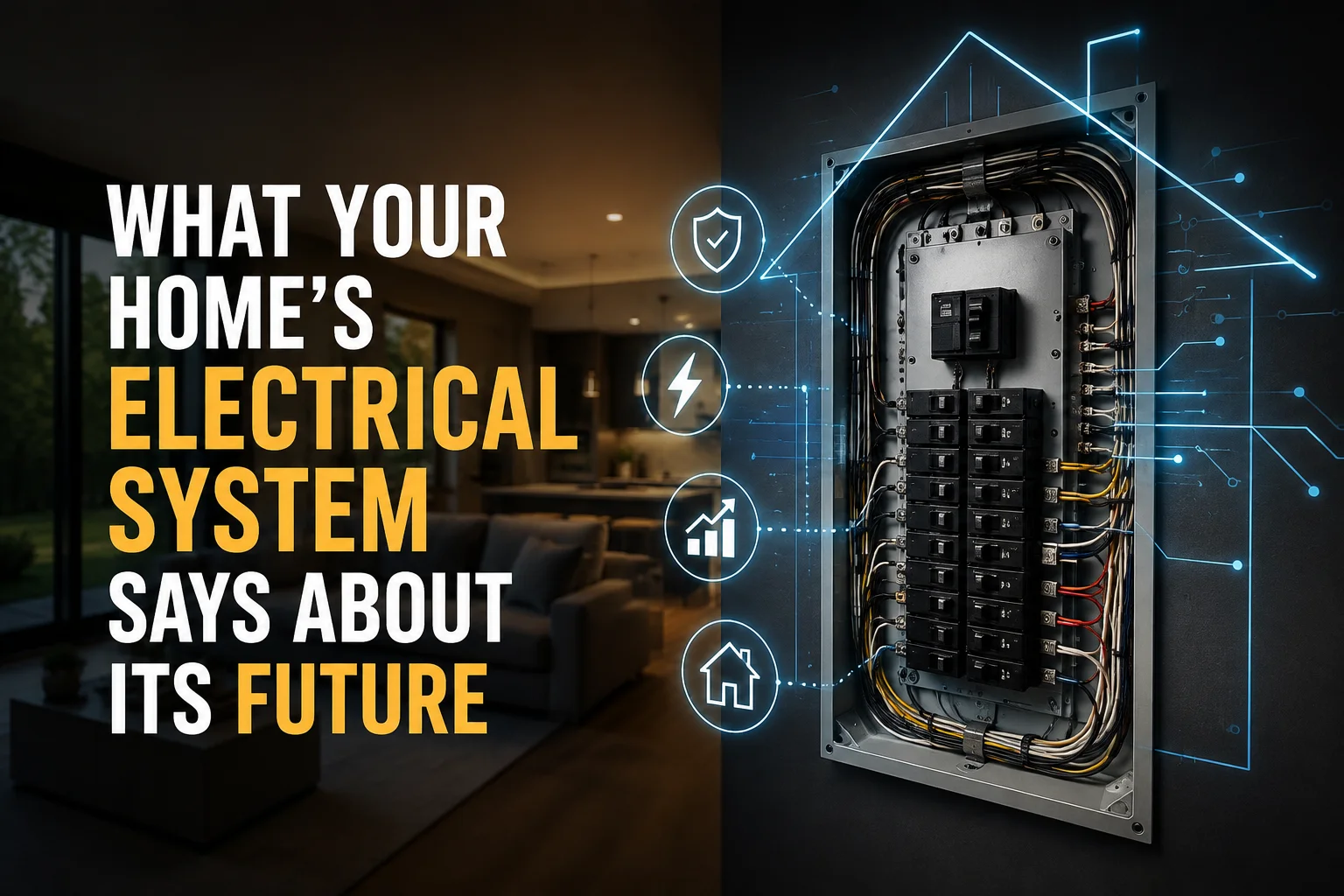
A home’s electrical system is the unseen infrastructure behind nearly everything you do, from cooking dinner and heating the house to charging devices and powering new technology. But as homes evolve, their electrical needs can outgrow the systems originally installed. That is why a residential electrician in Hendersonville should do more than fix a tripped breaker or replace an outlet. We help homeowners identify potential problems, improve reliability, and prepare their electrical systems for the demands of tomorrow.
That perspective also changes how we approach searches for residential electrical services near me or home electrical repair services near me. We do not see every service call as an isolated problem. A flickering light can reveal a circuit issue. A tripping breaker can point to an overloaded system. An aging panel can become a limitation when a home adds an EV charger, heat pump, workshop equipment, or other high-demand loads.
Why do residential electrical systems need attention as homes change?
Homes consume electricity differently than they did years ago. Modern households may rely on multiple computers, larger appliances, smart devices, HVAC systems, entertainment equipment, and electric transportation.
The U.S. Department of Energy notes that residential electrification is introducing new electric end uses, including electric vehicles, heat pumps, electric water heaters, and induction cooking.
This does not mean every home needs an immediate electrical upgrade. It means we should evaluate electrical capacity when household demands change.
During an inspection or service visit, we may consider the panel, circuits, wiring, grounding, outlets, lighting, major appliances, and other electrical loads. This gives us a more complete picture before recommending repairs or improvements.
What electrical warning signs should homeowners take seriously?
We encourage homeowners to pay attention when their electrical system behaves differently from normal. Repeated breaker trips, flickering lights, warm outlets, buzzing sounds, burning smells, sparks, and unexplained power interruptions should not be treated as routine inconveniences.
A single breaker trip may have a simple explanation. Repeated trips are different. They may indicate excessive circuit demand, faulty equipment, damaged wiring, or another electrical condition.
NFPA research estimated an average of 32,620 U.S. home fires involving electrical distribution and lighting equipment each year from 2015 through 2019. These fires caused an estimated annual average of 430 civilian deaths, 1,070 injuries, and $1.3 billion in direct property damage.
These figures do not mean every electrical symptom signals an emergency. They do show why unusual electrical behavior deserves qualified attention.
How do we approach residential electrical troubleshooting?
We start with the symptom, then work toward the cause.
We ask when the issue began, what equipment was operating, whether the problem affects one circuit or several, and whether recent remodeling or new equipment could be involved. We then inspect and test relevant components based on the situation.
Our troubleshooting may include checking panels, breakers, outlets, switches, wiring, lighting fixtures, GFCI protection, circuit connections, and electrical loads. We may also evaluate equipment connections when an appliance or other electrical device appears connected to the problem.
This process matters because visible symptoms can be misleading. A dead outlet may not have a defective receptacle. A breaker may be functioning correctly because it is responding to an overloaded circuit. Proper testing helps us avoid treating the symptom while leaving the underlying problem untouched.
When does a repair become a larger electrical improvement?
Sometimes a repair is exactly what a home needs. Other times, the repair reveals a limitation in the electrical infrastructure.
We may see this when a home has an older panel, limited circuit capacity, outdated wiring, or new electrical equipment that places greater demand on the system. A kitchen remodel, EV charger, heat pump, generator, or workshop can change the property’s electrical requirements.
The Department of Energy has identified behind-the-meter electrical infrastructure as an important issue as residential electrification expands.
For us, this reinforces the value of planning before installation. If a homeowner knows what equipment is coming next, we can evaluate whether the current electrical system is prepared to support it.
What are the most common residential electrical projects we handle?
Residential electrical work covers much more than emergency repairs. Depending on the property and its needs, we may work on electrical panels, new circuits, outlets, switches, interior and exterior lighting, generators, EV charging equipment, wiring repairs, and electrical upgrades.
We may also support homeowners during remodeling projects, when new appliances, lighting zones, or room layouts require changes to the electrical system.
The priority remains the same across these projects: we want the work to match the home’s actual electrical requirements and applicable safety standards.
Can preventive electrical maintenance protect a home?
Preventive maintenance cannot eliminate every electrical failure. It can, however, help identify developing problems before they become major disruptions.
We look for signs such as loose connections, damaged components, circuit overloads, aging equipment, or other conditions that may require attention. For older homes, an electrical assessment can also help homeowners understand what has changed since the original system was installed.
Maintenance can be especially useful before major renovations or the addition of high-demand equipment. Knowing the condition of the electrical system gives homeowners a stronger basis for deciding what should be repaired, replaced, or upgraded.
What should homeowners consider when choosing an electrician?
We recommend looking beyond distance and price. Homeowners should consider licensing, relevant residential experience, safety knowledge, ability to troubleshoot, communication, and familiarity with the electrical work required.
A contractor should also be able to explain the problem clearly and distinguish between necessary repairs and optional improvements. Clear information helps homeowners make decisions without relying on guesswork.
For complex projects, experience with generators, EV chargers, lighting systems, panel upgrades, and other modern electrical loads can also be valuable.
Why should residential electrical work be treated as long-term planning?
Electricity supports nearly every modern function inside a home. As those functions expand, the electrical system must keep pace.
For homeowners considering residential electrical services near me, home electrical repair services near me, or a residential electrician in Hendersonville, Morgan Master Electrician Company provides residential, commercial, industrial, multifamily, generator, lighting, maintenance, and emergency electrical capabilities. Our view is simple: electrical work should not only solve today’s issue. It should help create a safer and more dependable home for what comes next.
Frequently Asked Questions
- How often should a home’s electrical system be inspected?
Inspection frequency depends on home age, electrical condition, renovations, equipment demands, and recurring issues requiring professional assessment.
- Why does my circuit breaker keep tripping?
Repeated breaker trips can indicate overloads, faulty appliances, damaged wiring, or other electrical problems requiring professional evaluation.
- Can older homes handle modern electrical equipment?
Some can, but electrical capacity varies; professional assessment helps determine whether upgrades are needed for newer loads.
- When should homeowners consider an electrical panel upgrade?
Consider upgrading when capacity is limited, breakers trip repeatedly, wiring is outdated, or major electrical equipment will be added.
- Is flickering lighting always an electrical emergency?
Not always, but persistent flickering across multiple fixtures warrants professional evaluation to identify potential circuit, connection, or equipment problems.
Need a licensed electrician?
Talk to our team today or request a free written quote.